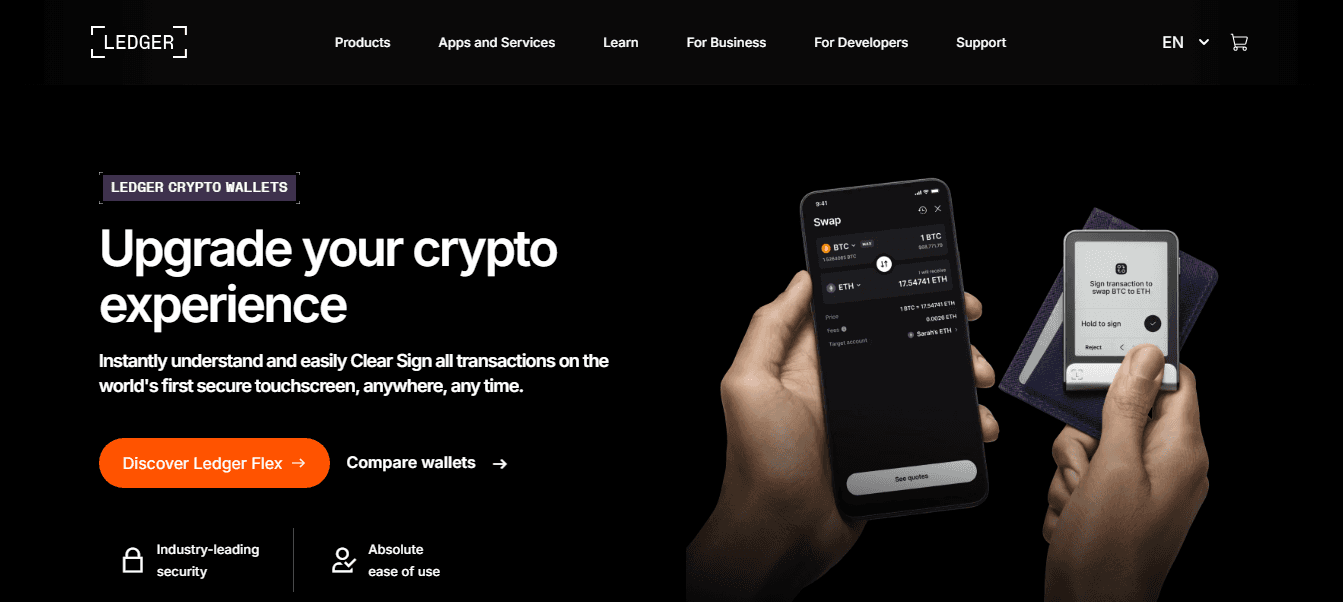
Introduction to Ledger Login
Ledger Login is a modern authentication approach that allows users to securely access supported digital services using a Ledger hardware wallet. Instead of depending on traditional login systems that rely on usernames and passwords, Ledger Login uses cryptographic proof and physical device confirmation to verify identity. This method provides a higher level of security and aligns with the principles of decentralized ownership.
By requiring a Ledger hardware wallet for authentication, Ledger Login ensures that access remains under the direct control of the user. Only the person who physically possesses the device and approves the request can log in, reducing exposure to many common online threats.
Why Ledger Login Exists
Traditional login systems are vulnerable to numerous risks, including password theft, phishing attacks, and data breaches. Even strong passwords can be compromised through malware or reused across multiple platforms. Ledger Login was developed to address these weaknesses by removing passwords entirely from the authentication process.
Ledger Login ties access to cryptographic ownership rather than knowledge-based credentials. This shift significantly improves security and provides a more reliable way to confirm identity in digital environments.
How Ledger Login Works
Ledger Login works by using cryptographic message signing within the Ledger hardware wallet. When a login request is initiated, a unique message is sent to the Ledger device. The user is prompted to review the request directly on the device screen.
After approval, the Ledger device signs the message using a private key stored securely inside the hardware. The private key never leaves the device, and only the signed proof is used to verify identity. This process confirms ownership without exposing sensitive information.
Hardware-Based Authentication Model
The foundation of Ledger Login is its hardware-based authentication model. Ledger devices are designed to store private keys in a secure environment that resists extraction, tampering, and unauthorized access.
Unlike software-based authentication methods, hardware-based verification ensures that credentials cannot be copied or intercepted. Physical interaction with the device is required for every login, adding a critical layer of protection against remote attacks.
Passwordless Access and Its Benefits
One of the most important advantages of Ledger Login is the elimination of passwords. Passwords are often weak, reused, or stored insecurely, making them a frequent target for attackers.
Ledger Login replaces passwords with cryptographic verification. Users no longer need to remember complex credentials or worry about password databases being compromised. Access is granted only when the Ledger device confirms the request.
Protection Against Phishing Attacks
Phishing attacks are designed to trick users into revealing login credentials or approving malicious actions. Ledger Login significantly reduces the effectiveness of phishing by requiring physical confirmation on the Ledger device.
Authentication requests are clearly displayed on the device screen, allowing users to review them carefully. Even if a user interacts with a fake interface, the login cannot proceed without device approval.
Clear User Approval Process
Ledger Login emphasizes transparency and user awareness. Every authentication request must be reviewed and approved directly on the Ledger device.
This process ensures that users always know when their authentication credentials are being used. Clear on-screen prompts reduce the risk of accidental approvals and encourage careful decision-making.
No Storage of Sensitive Login Data
Ledger Login does not store passwords, private keys, or authentication secrets on computers or servers. All sensitive cryptographic operations occur within the secure hardware environment.
This design minimizes exposure to malware, spyware, and large-scale data breaches. Even if a computer or mobile device is compromised, authentication remains protected by the Ledger hardware wallet.
Privacy-Focused Authentication Design
Ledger Login is designed with privacy in mind. It does not require users to share personal information such as email addresses or usernames.
Authentication is based solely on cryptographic proof of ownership. This approach supports privacy, reduces data collection, and aligns with decentralized security principles.
Ease of Use for Everyday Users
Despite its advanced security model, Ledger Login is designed to be easy to use. Logging in typically involves connecting the Ledger device, reviewing the request, and confirming it with a button press.
The process is straightforward and does not require technical expertise. Clear instructions and simple confirmations make Ledger Login accessible to users at all experience levels.
Security Best Practices for Ledger Login
To maintain maximum security, users should always review authentication requests carefully before approving them. Requests that seem unfamiliar or unexpected should not be confirmed.
Protecting the physical Ledger device is essential. Users should also keep device firmware updated and store recovery information securely offline to ensure long-term safety.
Handling Device Loss or Replacement
If a Ledger device is lost, damaged, or replaced, access can be restored using the recovery phrase on a new device. Ledger Login relies on the same recovery mechanism used for wallet restoration.
This ensures continuity of access while maintaining strong security. As long as recovery information is stored safely, users can regain control without exposing private keys.
Advantages Over Traditional Login Systems
Ledger Login offers several advantages compared to traditional authentication methods. It removes password-related risks, reduces phishing exposure, and prevents unauthorized remote access.
By combining cryptographic verification with physical confirmation, Ledger Login delivers a higher level of assurance than most conventional login systems.
User Responsibility and Awareness
While Ledger Login provides strong protection, user responsibility remains important. Approving unknown or suspicious requests can still lead to security risks.
Users should stay informed, remain cautious, and only confirm authentication requests they fully understand. Responsible usage is a key part of effective security.
Why Ledger Login Is Trusted
Ledger Login is trusted because it follows principles of transparency, self-custody, and user control. There are no hidden access points or centralized credential storage systems.
Authentication remains fully under the user’s control, protected by hardware designed for long-term reliability and security.
The Future of Secure Authentication
Ledger Login represents a shift toward passwordless and user-controlled authentication. As digital threats continue to evolve, hardware-based security offers a resilient and future-ready solution.
By prioritizing privacy, security, and simplicity, Ledger Login supports safer digital access without sacrificing usability.
Conclusion
Ledger Login is a secure and reliable authentication method that replaces traditional passwords with hardware-based verification. By using cryptographic signatures and physical device approval, it protects users from many common security threats.
With its focus on privacy, transparency, and user control, Ledger Login provides a strong foundation for secure digital access. When used responsibly and combined with best security practices, it offers a dependable solution for protecting digital identity.