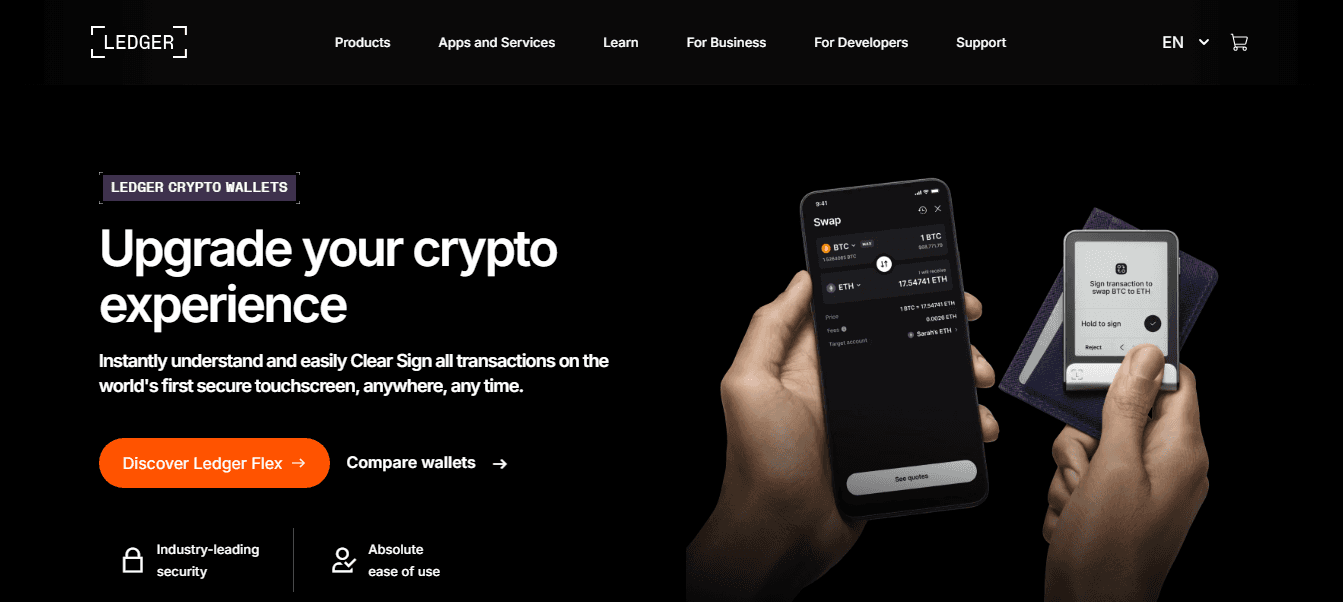
Introduction to Ledger Login
Ledger Login refers to the secure authentication process that uses a Ledger hardware wallet to verify user identity and approve access to supported applications or services. Instead of relying on traditional usernames and passwords, Ledger Login uses cryptographic proof and physical device confirmation to ensure that only the rightful wallet owner can authenticate.
This approach aligns with the core principles of blockchain security, where ownership is proven through private keys rather than centralized credentials. Ledger Login is designed to reduce common risks such as password theft, phishing, and unauthorized account access.
What Is the Purpose of Ledger Login
The main purpose of Ledger Login is to provide a safer and more reliable alternative to traditional login systems. Password-based authentication is vulnerable to data breaches, keylogging, and social engineering attacks. Ledger Login replaces these weak points with hardware-based verification.
By requiring the presence of a Ledger device and manual confirmation, Ledger Login ensures that access cannot be granted remotely without the user’s physical approval. This makes it significantly more difficult for attackers to impersonate users.
How Ledger Login Works
Ledger Login works by using cryptographic signatures generated inside the Ledger hardware wallet. When a login request is initiated, the application asks the Ledger device to sign a unique message.
The private key used to create this signature never leaves the hardware wallet. The signed message is then verified to confirm ownership, granting access only if the signature is valid and approved by the user on the device.
Hardware-Based Authentication Model
At the core of Ledger Login is a hardware-based authentication model. Unlike software wallets or password managers, Ledger devices store private keys in a secure environment designed to resist tampering and extraction.
This model ensures that authentication credentials cannot be copied, exported, or intercepted. The requirement for physical confirmation on the device adds an extra layer of security that software-only solutions cannot provide.
Eliminating Password Dependency
One of the key advantages of Ledger Login is the elimination of traditional passwords. Passwords are often reused, forgotten, or compromised, making them a major security risk.
Ledger Login removes the need to remember or store passwords by relying on cryptographic proof. Access is granted only when the Ledger device confirms the request, reducing reliance on human memory and minimizing attack surfaces.
Protection Against Phishing Attacks
Phishing is one of the most common threats in the digital asset space. Fake websites and deceptive messages attempt to trick users into revealing login credentials.
Ledger Login protects against phishing by requiring transaction or login confirmation on the Ledger device screen. Even if a user interacts with a malicious interface, access cannot be granted unless the request is physically approved on the device.
User Control and Transparency
Ledger Login is designed to give users full visibility into what they are approving. Each authentication request is clearly displayed on the Ledger device screen, allowing users to review the request before confirming.
This transparency helps users avoid accidental approvals and ensures that they remain in control of their digital identity at all times.
No Storage of Sensitive Credentials
Ledger Login does not store passwords, private keys, or authentication secrets on computers or servers. All sensitive cryptographic operations occur within the secure hardware environment.
This design minimizes the risk of credential leaks and reduces the impact of malware or compromised systems. Even if a device running the interface is infected, the Ledger hardware wallet continues to protect access.
Use Cases for Ledger Login
Ledger Login can be used for secure access to various blockchain-related services and applications. It is particularly valuable in environments where strong identity verification is required.
By using hardware-based authentication, users can confidently access services knowing that their identity is protected by cryptographic security rather than fragile credentials.
Ease of Use and Accessibility
Despite its advanced security model, Ledger Login is designed to be user-friendly. Authentication requests are straightforward, and confirmations require only a few simple steps on the Ledger device.
This balance between security and usability makes Ledger Login accessible to both newcomers and experienced users. Clear prompts and confirmations reduce confusion and prevent mistakes.
Privacy-Focused Authentication
Ledger Login supports privacy by avoiding the collection of personal information. Authentication relies on cryptographic proof rather than usernames, emails, or personal data.
This approach aligns with decentralized principles and helps users maintain control over their digital identity without relying on centralized databases.
Security Best Practices for Ledger Login
To use Ledger Login safely, users should keep their Ledger device secure and never approve requests they do not recognize. Reviewing authentication prompts carefully is essential.
Users should also ensure that their device firmware is kept up to date and that recovery information is stored securely offline. These practices help maintain long-term security.
Device Loss and Recovery Considerations
If a Ledger device is lost or damaged, access can be restored using the recovery phrase on a replacement device. Ledger Login relies on the same recovery mechanism as wallet access.
This ensures continuity while maintaining strong security. As long as recovery information is stored safely, users can regain control without exposing private keys.
Advantages Over Traditional Login Systems
Ledger Login offers several advantages over conventional authentication methods. It eliminates password reuse, reduces phishing risk, and prevents unauthorized remote access.
By requiring physical confirmation and cryptographic proof, Ledger Login provides a higher level of assurance than most traditional login systems.
Limitations and User Responsibility
While Ledger Login significantly enhances security, it still requires responsible usage. Users must remain vigilant and avoid approving unknown or suspicious requests.
Hardware-based security is most effective when combined with informed decision-making and good security habits.
Why Ledger Login Is Trusted
Ledger Login is trusted because it follows the core principles of self-custody, transparency, and cryptographic security. There are no hidden access mechanisms or centralized control points.
Users remain the sole owners of their authentication credentials, protected by a secure hardware environment designed for long-term reliability.
Conclusion
Ledger Login represents a modern approach to secure authentication by replacing traditional passwords with hardware-based verification. By using cryptographic signatures and physical confirmation, it provides strong protection against common digital threats.
With its focus on security, privacy, and user control, Ledger Login offers a reliable solution for accessing services in a safer and more transparent way. When used responsibly and combined with best security practices, it helps users maintain confidence and control over their digital identity.